English| EUR
Suggested for you
More currencies
Choose a language
Bologna is the one Italian city where the sfoglia — hand-rolled egg pasta — is treated as a craft with rules rather than a loose tradition. Most kitchens here now teach visitors in English, though what that means in practice varies from a full bilingual instructor to a translated recipe card. This guide explains how the format works, what a session includes, and how to judge whether a class matches your Italian-free skill level.
Quick answer
Arriving between 10:00 and 19:00 gives the best ingredient availability. Language support varies: confirm whether instruction is fully in English or translated by an assistant.
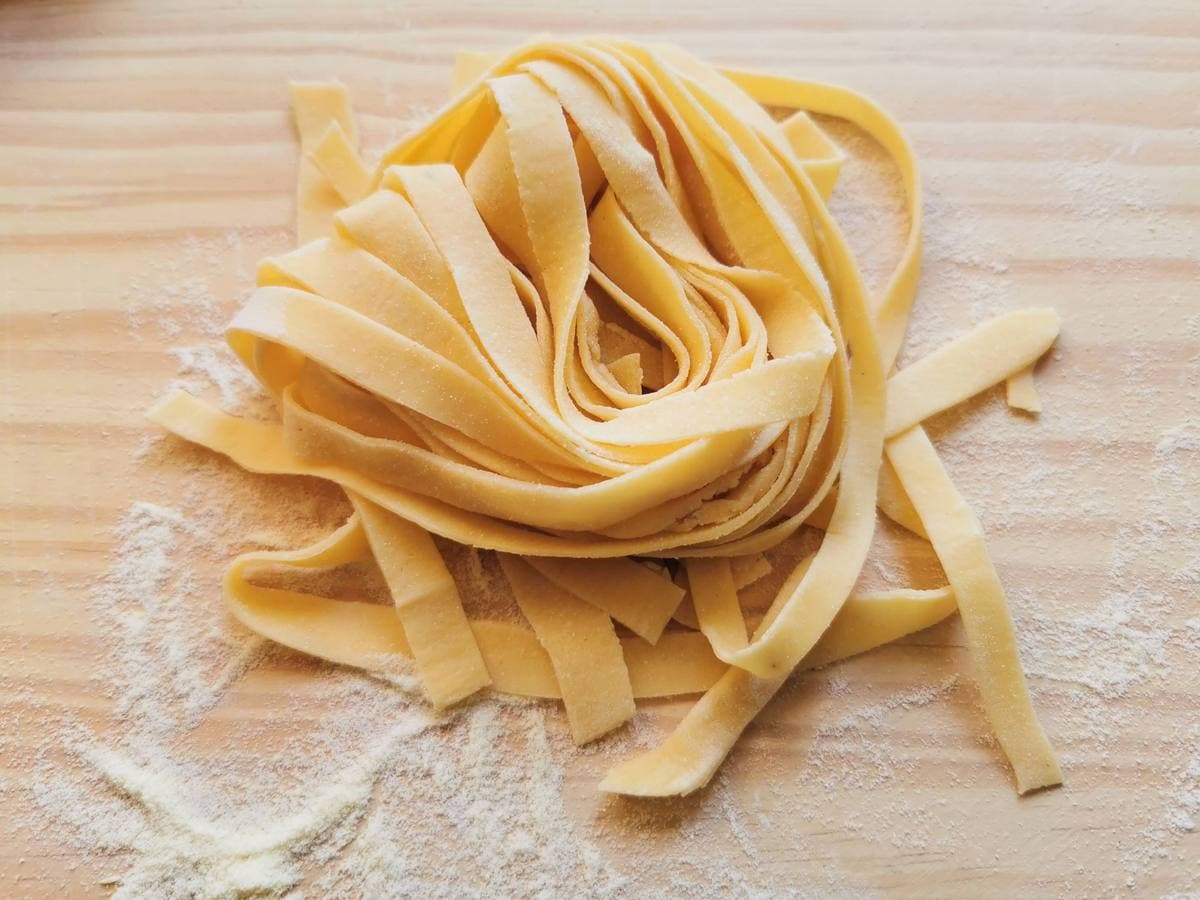
Bologna's most famous measurement is not a weight but a thickness. Local sfoglina tradition holds that a properly rolled sheet of egg pasta should be thin enough to read a newspaper through, and the city's guild of pasta makers once codified the tortellino's dimensions by decree. That obsession with precision is exactly why a hands-on class here differs from a general Italian food workshop: the instruction is technical, and technical instruction depends entirely on language. That is the practical problem a bologna cooking class english listing is meant to solve. A visitor with no Italian can follow a demonstration by imitation, but the useful part of the lesson — why the dough rests, why the mattarello is pushed rather than rolled, how humidity changes the egg-to-flour ratio — lives in the explanation. Kitchens in the Bolognese quarter around Via del Partigiano generally structure sessions around three anchors: the pasta all'uovo dough, a filled shape such as tortellini or tortelloni, and a sauce, usually ragù alla bolognese cooked long and low. Some add piadina or a dessert. Classes are small, benches are shared, and instructors expect participants to actually work the dough rather than watch. The context that makes cost and duration make sense is ingredient sourcing. Emilia-Romagna kitchens buy Parmigiano Reggiano, mortadella and prosciutto di Parma at professional rather than supermarket grade, and the three-hour format exists because dough needs a genuine rest period before it can be rolled. Shorter sessions tend to cut that rest, which is where results suffer. Use this page as a bologna cooking class english guide to filtering options rather than a menu. Ask three questions before booking: whether the instructor teaches directly in English or works through a translator; whether the session ends with a seated meal including wine; and whether dietary substitutions — vegetarian fillings, gluten-free flour — need advance notice. Bologna landmarks such as the Quadrilatero market and the Due Torri sit within walking distance, so most visitors build the rest of the day around the class rather than the reverse. The dedicated sections below cover pricing, the weekly schedule, directions, and what to bring.
“The useful part of the lesson is not the demonstration — it is the explanation, and that lives entirely in language.”
The best arrival window for a cooking class is between 10:00 and 19:00, which aligns with market ingredient availability and allows for a focused, practical learning environment. Scheduling your visit during these hours ensures you engage with the freshest seasonal produce while benefiting from a quiet, instructor-led atmosphere.
—
Early sessions provide the most direct access to market ingredients and personalized guidance.
—
These days typically feature smaller groups, enhancing the hands-on nature of the instruction.
Mild, 15°C to 22°C
Spring offers ideal conditions for shopping for fresh herbs and vegetables in local markets.
Cool, 10°C to 17°C
Autumn is peak season for sourcing local truffles and high-quality seasonal produce for class.
Verdict: Tuesday to Thursday, arriving between 10:00 and 14:00, during the months of April or October provides the most consistent experience for ingredient quality and individual attention.
A few things are worth sorting out before a hands-on cooking session in Bologna, from confirming your class in English to flagging what you cannot eat.
Everything you need to know about bologna cooking class english
Yes, courses are designed to accommodate all skill levels, from novices to experienced home cooks. You will learn authentic techniques for preparing traditional handmade pasta and local recipes in a bologna cooking class english.
Private sessions can be arranged for groups or individuals wanting a more personalized environment. Booking in advance is recommended to secure your preferred time for a specialized Italian gastronomy course.
Workshops typically focus on fresh, seasonal components such as flour, eggs, and local produce sourced from the region. You will learn to transform these raw goods into authentic dishes using time-honored traditions.
Family Friendly Cooking Classes
Read more GuideCooking Class Prices in Bologna
Read more Tickets & toursTortellini & Tagliatelle Workshops
Read more Tickets & toursTiramisu Making Classes
Read more Tickets & toursBologna Cooking Class with Market Tour
Read more Tickets & toursPrivate Cooking Classes in Bologna
Read more Tickets & toursBologna Pasta & Tiramisu Classes
Read more